Just Got Hit Near Dundee or the Old Market? Here’s What a Car Accident Lawyer Will Actually Cost You in Omaha
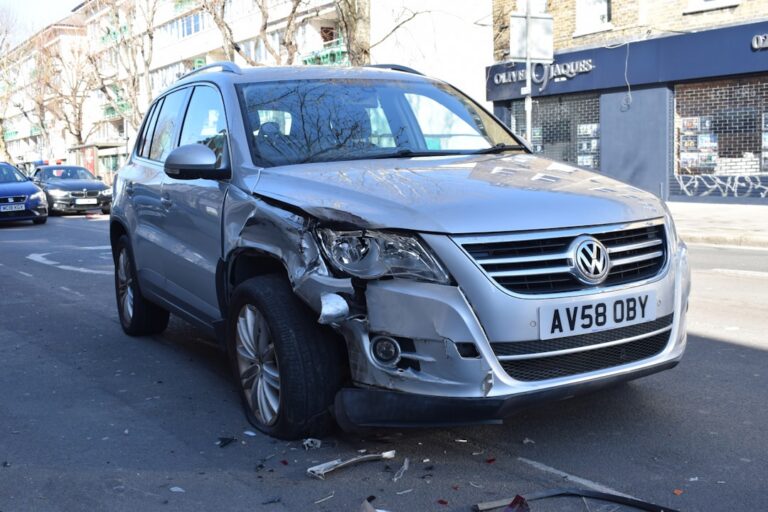
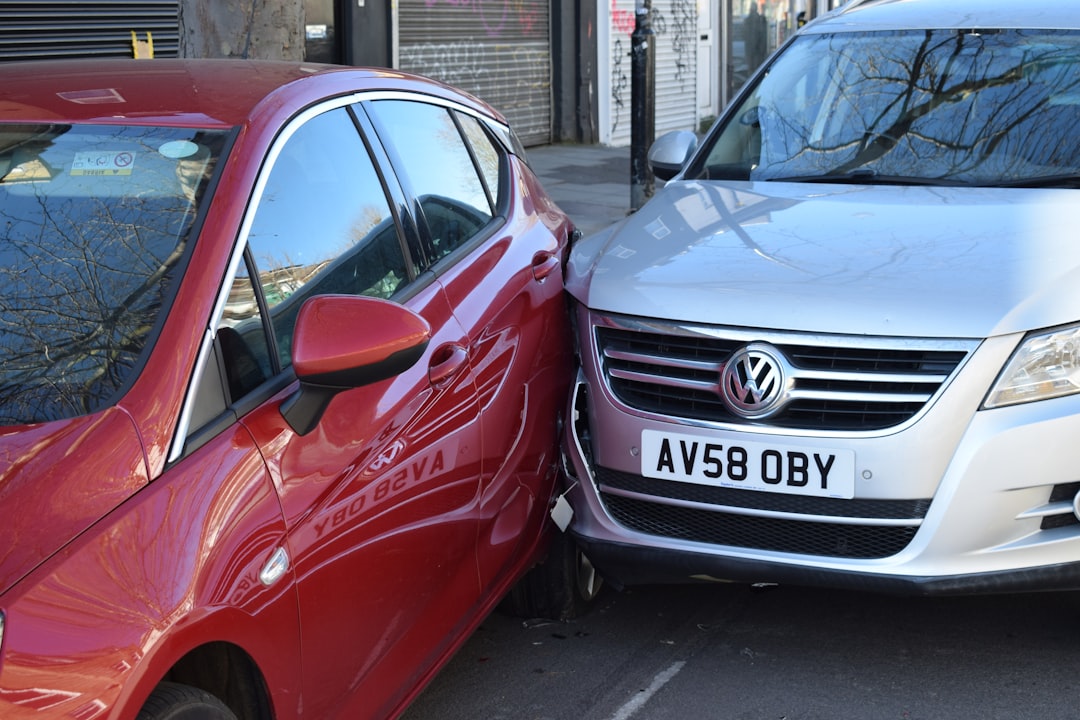
You’re sitting in your damaged car on Farnam Street or maybe near Creighton University, and you’re wondering: How much is this going to cost me to get proper legal help? The answer isn’t simple, but it’s far more affordable than most Omaha residents think—especially if you understand how Nebraska attorneys structure their fees and what local market conditions mean for your wallet.
Introduction: Understanding Omaha Car Accident Legal Costs
Hiring a car accident attorney in Omaha isn’t a luxury reserved for wealthy clients. In fact, the legal landscape in Douglas County makes quality representation accessible to nearly everyone involved in a motor vehicle accident. However, the cost structure varies dramatically depending on how you approach the hiring process, what your case involves, and which attorney you choose.
Omaha’s legal market—centered around the Douglas County District Court at 1819 Farnam Street and governed by the Nebraska State Bar Association—operates differently than you might expect. Unlike many other major cities, Omaha attorneys handling car accidents predominantly work on contingency fees, meaning you pay nothing unless you win. This fundamental structure changes everything about how you should evaluate cost.
The purpose of this guide is to provide you with transparent, Omaha-specific information about what car accident legal representation actually costs in 2024. We’ll break down fee structures, explore Nebraska-specific statutes that affect pricing, and examine real scenarios you might face.
Detailed Cost Breakdown: What You’ll Actually Pay
| Fee Type | Typical Range in Omaha | How It Works | When You Pay |
|---|---|---|---|
| Contingency Fee (Primary Structure) | 25-40% of settlement | Attorney receives percentage of your final settlement or verdict | After case concludes |
| Hourly Rate (Hourly Billing) | $150-$400/hour | Traditional hourly billing charged against retainer | Monthly invoices during representation |
| Flat Fee (Limited Scope) | $1,500-$5,000 | Fixed cost for specific services (letter of demand, negotiation) | Upfront or in installments |
| Court Filing Fees | $300-$500 | Douglas County District Court filing charges | You pay directly or attorney advances |
| Medical Records Retrieval | $150-$400 | Obtaining records from Omaha-area hospitals/clinics | Attorney advances or you reimburse |
| Expert Witness Fees | $1,500-$8,000+ | Accident reconstruction, medical experts for complex cases | Paid if case goes to trial |
| Deposition Transcripts | $200-$600 | Court reporter transcription of witness testimony | Attorney advances or you reimburse |
| Discovery & Investigation | $500-$2,500 | Private investigators, scene investigation, police report acquisition | Attorney advances or you reimburse |
Important Note: Contingency fees in Nebraska are not capped by statute, but the Nebraska State Bar Association provides ethical guidelines. Most reputable Omaha attorneys charge 33.3% (one-third) for pre-settlement cases and 40% if litigation proceeds to trial. Anything exceeding 40% requires court approval under Nebraska Revised Statutes § 25-809.
How Nebraska Statutes Directly Impact What You’ll Pay
Nebraska law creates a specific framework that affects attorney costs across Douglas County. Understanding these statutes is crucial for predicting your actual expenses:
Nebraska Revised Statutes § 25-809 (Contingency Fee Limitations)
This statute governs contingency fee agreements in personal injury cases, including car accidents. It requires that contingency fee agreements be in writing and that fees not be “unconscionable.” In Omaha, this typically means attorneys cannot charge more than 40% without court approval, and many follow a sliding scale:
– 25-30% for cases settled pre-litigation
– 33.3% for cases settled during discovery
– 40% for cases reaching trial verdict
Nebraska Revised Statutes Chapter 25-809 to 25-809.01 (Attorney Ethics)
These statutes require transparent fee disclosures and restrict what attorneys can charge for. This benefits Omaha residents by preventing hidden fees. Legitimate Omaha car accident attorneys provide written fee agreements before representation begins.
Nebraska’s Comparative Negligence Law (§ 25-21,185)
Nebraska follows a “comparative fault” system. If you’re found 50% or more at fault, you recover nothing. This affects case value and therefore attorney motivation. Attorneys may demand higher contingency percentages in cases where liability is unclear, directly impacting your potential recovery.
Damage Cap Implications
Nebraska has no statutory damage caps for personal injury cases (unlike some states), meaning verdicts can be larger. However, this doesn’t necessarily increase attorney costs—it affects the final award you receive.
Omaha Market Specifics: Why Your Location Matters
Omaha presents unique economic conditions affecting legal costs:
Cost of Living & Attorney Pricing
According to Bureau of Labor Statistics data, Omaha’s cost of living is approximately 8% below the national average, while attorney salaries are proportionally lower than major coastal cities. A typical Omaha car accident attorney with 10+ years experience earns less than counterparts in Denver or Kansas City, which translates to moderate fee rates compared to national standards.
Douglas County Court System Efficiency
Cases filed in Douglas County District Court (1819 Farnam Street) generally move faster than litigation in larger metropolitan areas. The judges’ dockets are manageable, and discovery typically concludes within 12-18 months rather than 2-3 years. This faster timeline reduces overall attorney hours, potentially lowering your costs even with hourly billing.
Nebraska State Bar Association Oversight
The Nebraska State Bar Association (nebar.com) maintains strict ethical standards for Omaha attorneys. This regulatory environment ensures transparent fee practices and fewer disputes about billing—a protective factor for consumers.
Local Firm Structure
Omaha’s legal market includes small solo practices, mid-sized regional firms, and offices of national firms. Solo practitioners and small firms typically charge 10-20% less than national firms because overhead costs are lower. Many Omaha attorneys maintain practices in neighborhoods like the Old Market, Benson, or near Creighton, with lower rent than downtown firms.
Real Cost Factors That Increase or Decrease Your Fees in Omaha
Factors That Lower Your Costs:
- Clear liability (you have obvious photographic evidence, police report supports you)
- Quick settlement (defendant’s insurance accepts responsibility within 3-6 months)
- Documented injuries (clear medical records from Omaha-area hospitals like Creighton Medical Center or CHI Health)
- Solo practitioners or small firms (lower overhead = lower rates)
- Uncontested damages (no dispute about medical costs or lost wages)
Factors That Increase Your Costs:
- Disputed liability (accident circumstances contested, comparative negligence questions)
- Severe injuries requiring ongoing treatment and expert testimony
- Multiple defendants (you were hit by company vehicle requiring discovery of employer)
- Insurance disputes (bad faith claims requiring extra litigation)
- Trial requirement (case doesn’t settle, goes to jury trial at Douglas County courthouse)
- Out-of-state defendants (adds complexity and investigation costs)
Real Case Scenarios in Omaha: What You’d Actually Pay
Scenario 1: Minor Fender-Bender, Quick Settlement (Dundee Area)
The Situation: You’re rear-ended on 50th Street near Dundee. Vehicle damage: $4,200. Minor neck strain, treated at urgent care for $1,100.
Case Resolution: Defendant’s insurance admits fault immediately. Case settles in 6 weeks without litigation.
Attorney Fee Structure: Contingency fee at 25%
– Settlement amount: $8,500
– Attorney fee (25%): $2,125
– Court costs & medical records: $150
– Your net recovery: $6,225
Scenario 2: Moderate Injury, Disputed Liability (Old Market)
The Situation: Multi-vehicle accident on Harney Street. You sustained back injuries, incurred $18,000 in medical treatment. Liability is disputed; the other driver claims you changed lanes unsafely.
Case Resolution: Litigation becomes necessary. Depositions occur, settlement negotiations extend 14 months.
Attorney Fee Structure: Contingency fee at 33.3%
– Final settlement amount: $45,000
– Attorney fee (33.3%): $15,000
– Court filing fees: $425
– Medical records/investigation: $800
– Expert evaluation fees (attorney advanced): $1,200
– Your net recovery: $27,575
Scenario 3: Serious Injury, Trial Verdict (Douglas County)
The Situation: You sustained a fractured femur in a collision near I-480. Medical treatment totaled $92,000. Liability clear but damages disputed; insurance company offers only $80,000.
Case Resolution: Case proceeds to trial before Douglas County jury. Trial lasts 4 days. Jury awards $165,000.
Attorney Fee Structure: Contingency fee at 40% (trial rate)
– Jury verdict: $165,000
– Attorney fee (40%): $66,000
– Court costs & trial preparation: $3,200
– Expert witnesses (reconstruction, medical): $4,500
– Deposition transcripts: $600
– Investigation & discovery: $2,100
– Your net recovery: $88,600
In all scenarios, remember: you pay nothing unless you win. The attorney absorbs the costs of pursuing your case.
How to Find and Vet an Omaha Car Accident Attorney
Step 1: Start with Nebraska State Bar Association
Visit nebar.com and use their attorney search function. Filter for car accident/personal injury attorneys in Omaha. Verify their license status and any disciplinary history.
Step 2: Evaluate Local Experience
Choose attorneys who practice regularly in Douglas County District Court. Ask how many car accident cases they’ve tried to verdict in the last three years. Local experience matters significantly.
Step 3: Check Fee Structures Explicitly
During your free consultation (most Omaha attorneys offer these), ask:
– “What’s your contingency percentage for different case stages?”
– “What costs do I pay upfront versus what do you advance?”
– “Can you provide a written fee agreement before I decide?”
Step 4: Review Online Presence
Check Google reviews, Better Business Bureau ratings, and Avvo profiles. Omaha attorneys with strong track records maintain
See Also
Car Accident Lawyer Costs in Other Cities:
- How Much Does a Car Accident Lawyer Cost in Houston, Texas?
- How Much Does a Car Accident Lawyer Cost in Dallas, Texas?
- How Much Does a Car Accident Lawyer Cost in Austin, Texas?
- How Much Does a Car Accident Lawyer Cost in Miami, Florida?
- How Much Does a Car Accident Lawyer Cost in Orlando, Florida?
Other Attorney Cost Guides for This Area:
- How Much Does a Personal Injury Lawyer Cost in Omaha, Nebraska?
- How Much Does a Criminal Defense Lawyer Cost in Omaha, Nebraska?
- How Much Does a DUI Defense Lawyer Cost in Omaha, Nebraska?
- How Much Does a Medical Malpractice Lawyer Cost in Omaha, Nebraska?
- How Much Does a Workers Compensation Lawyer Cost in Omaha, Nebraska?